Why a sidewalk
Before Buildspace, before the sensors, there was a question I could not put down. It was about me as much as anyone.
Journal entryRead
Journal
Before Buildspace, before the sensors, there was a question I could not put down. It was about me as much as anyone.
The observation habit came first. Four projects from 2021 to 2023 show the Lab's method before the framework existed.
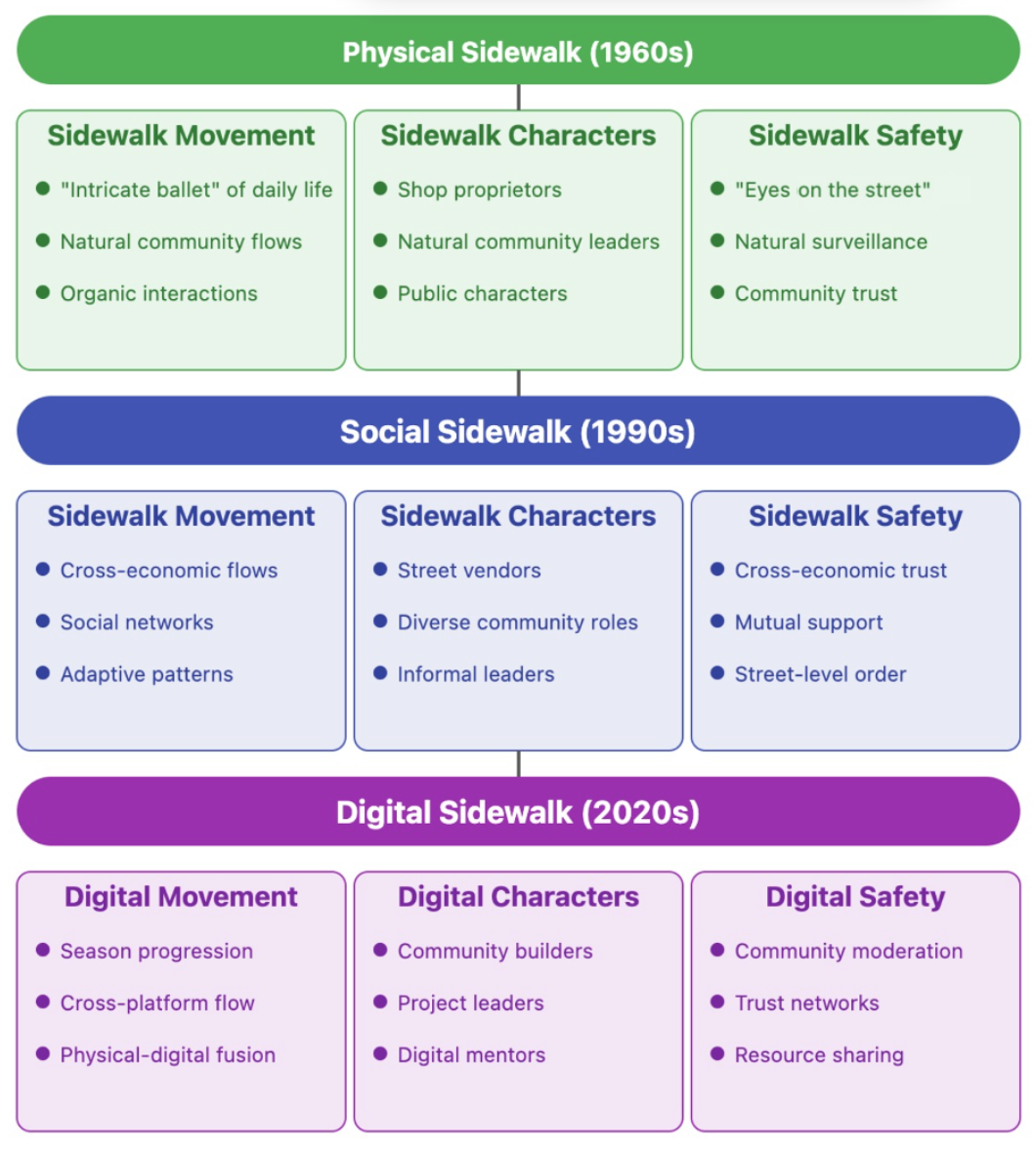
Digital Sidewalk began with a question about how people learn by being around one another. The instruments came later.
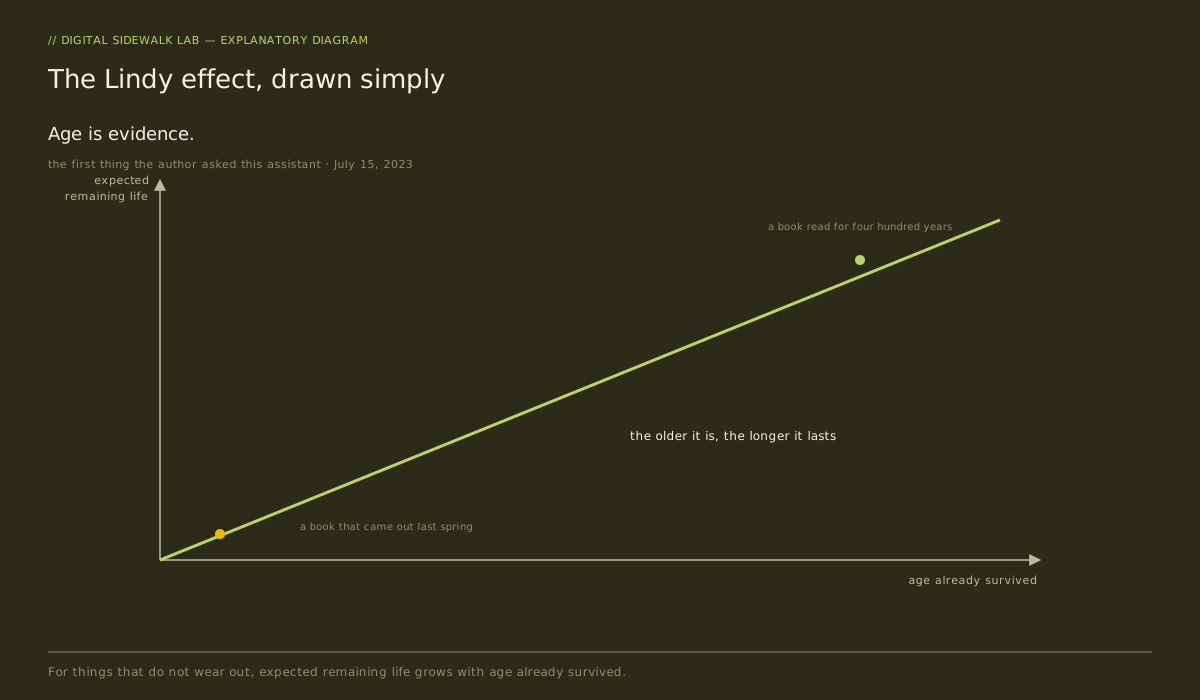
July 15, 2023. My first conversation with the assistant I have now worked beside for three years was about how to tell what lasts.
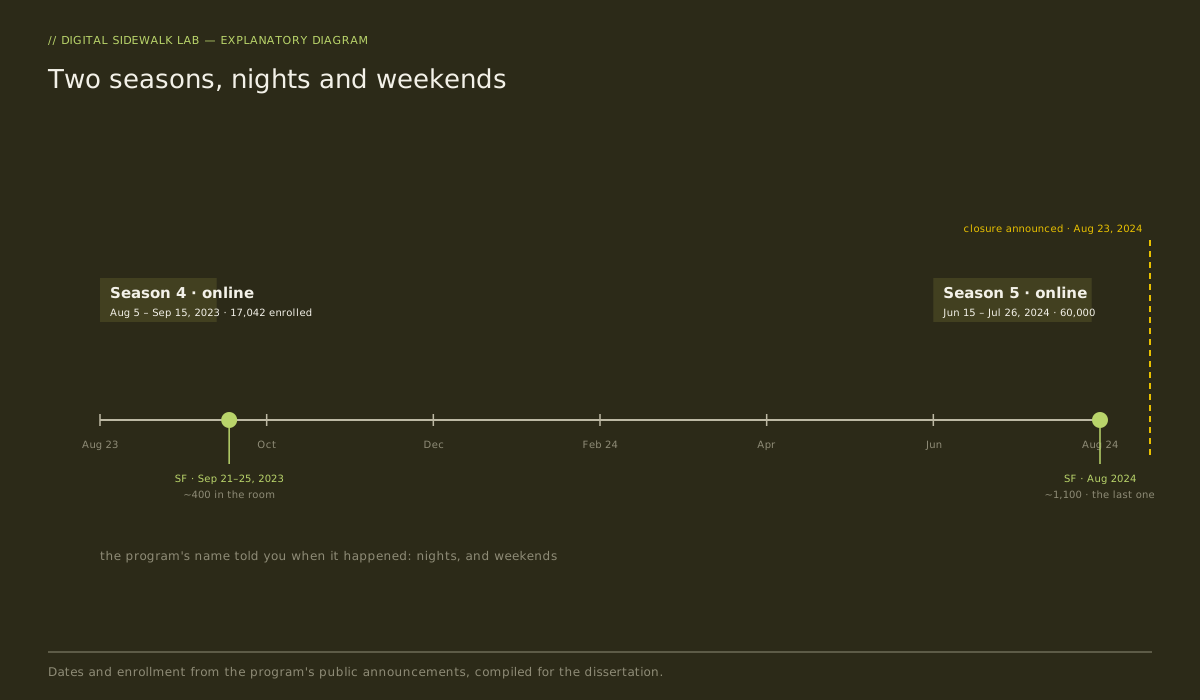
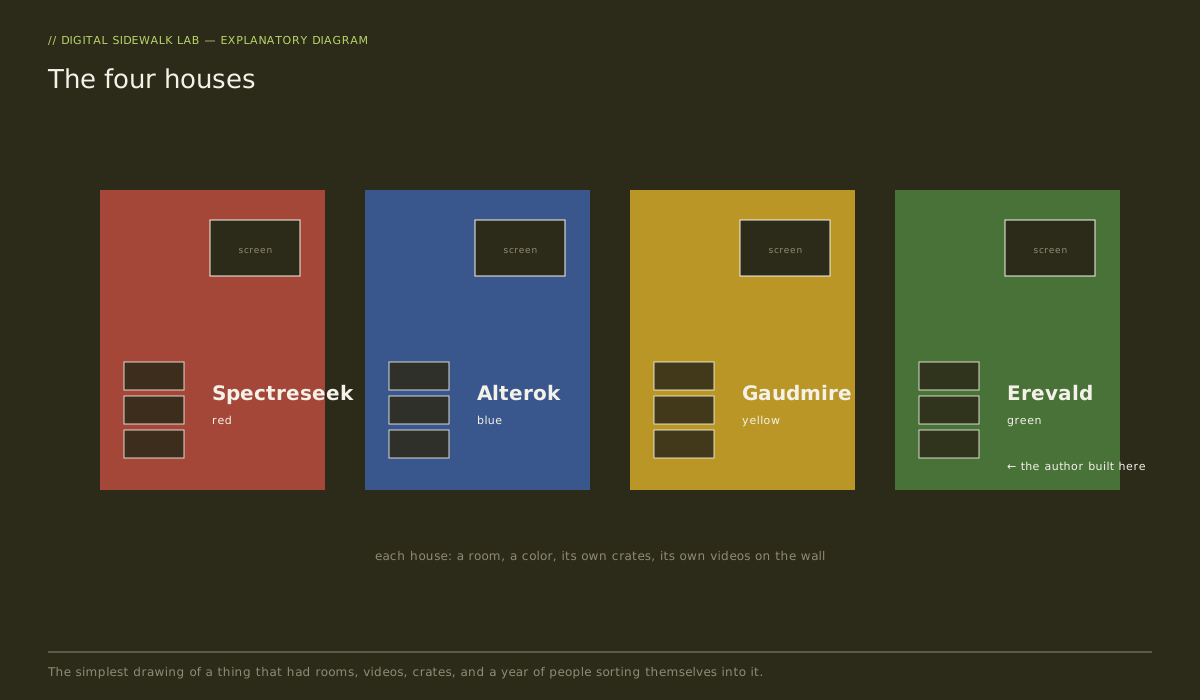
The program was six weeks, online, and the name told you exactly when it happened. I did it twice while working full time, and then I studied why it worked.
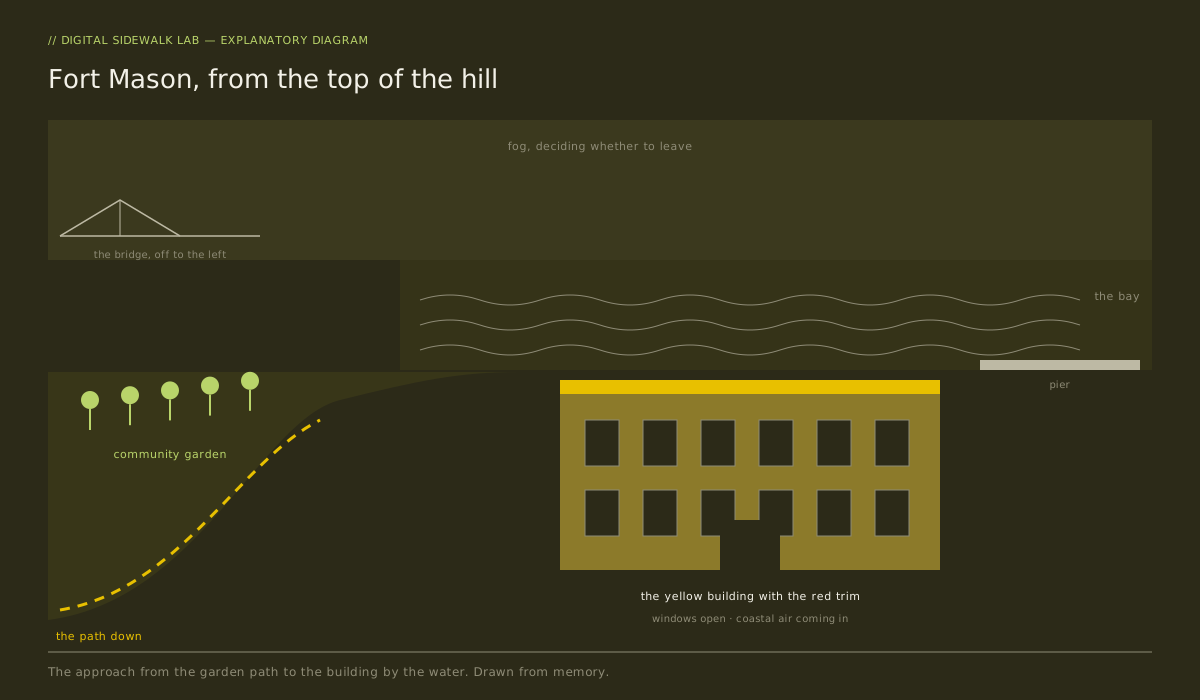
The walk down to the building is the part I would keep if I could only keep one thing.
An album of girlie pop. I wrote every song, sang a vibe track for each one, produced them with Suno, and spent the whole season making videos.
Eleven hundred people in a building by the bay, and then, two weeks later, an announcement that the program was closing. I was still writing about it.
Three dimensions for noticing what an activity counter cannot tell you about a community.
March 2025. What I typed, more or less exactly, in the hour after my committee told me what I had done.
In April 2025 the Lab was named, and a decision made then still shapes how the company is organized.
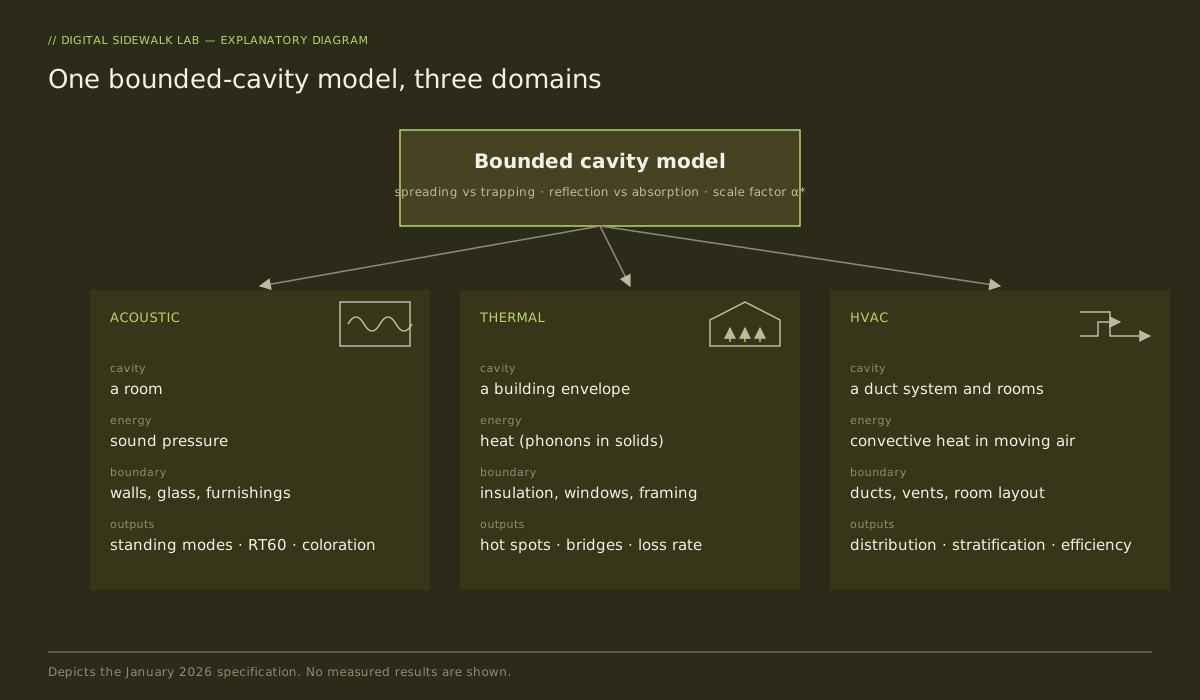
Sound in a room, heat in a building envelope, and airflow in a duct are all energy moving inside a bounded space. The January 2026 specification treated them with one model.
A proposal from January 2026 to turn home thermal scans into a shared, place-indexed record. It was written, costed, and not built.
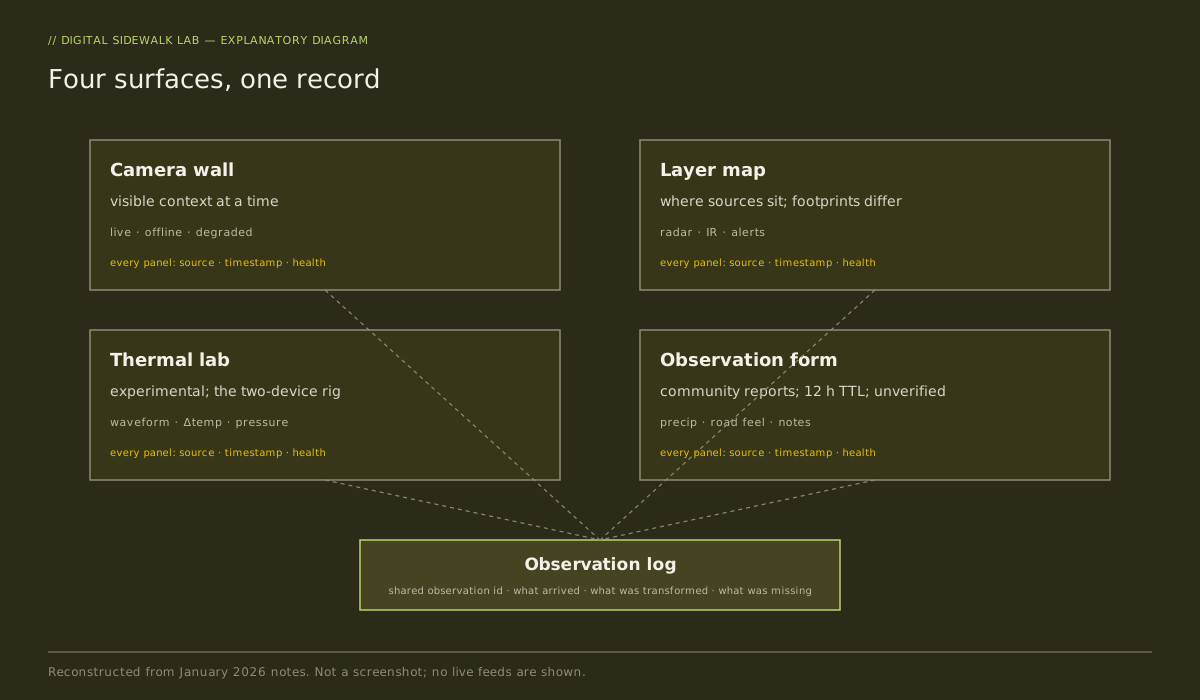
The January 2026 prototype brought cameras, maps, thermal exploration, and observations into one research surface.
A camera wall, a map, a thermal view, and a log each answer a different question. None is the whole story.
A delay parameter near 0.71 kept turning up in the Lab's simulations. The ice storm gave a real signal to test it against. It is a hypothesis, and it is labeled as one.
A scoring rule that rewards clean, prime-indexed peaks in a spectrum. It was run on the storm data as an exploration, and that is all it is.
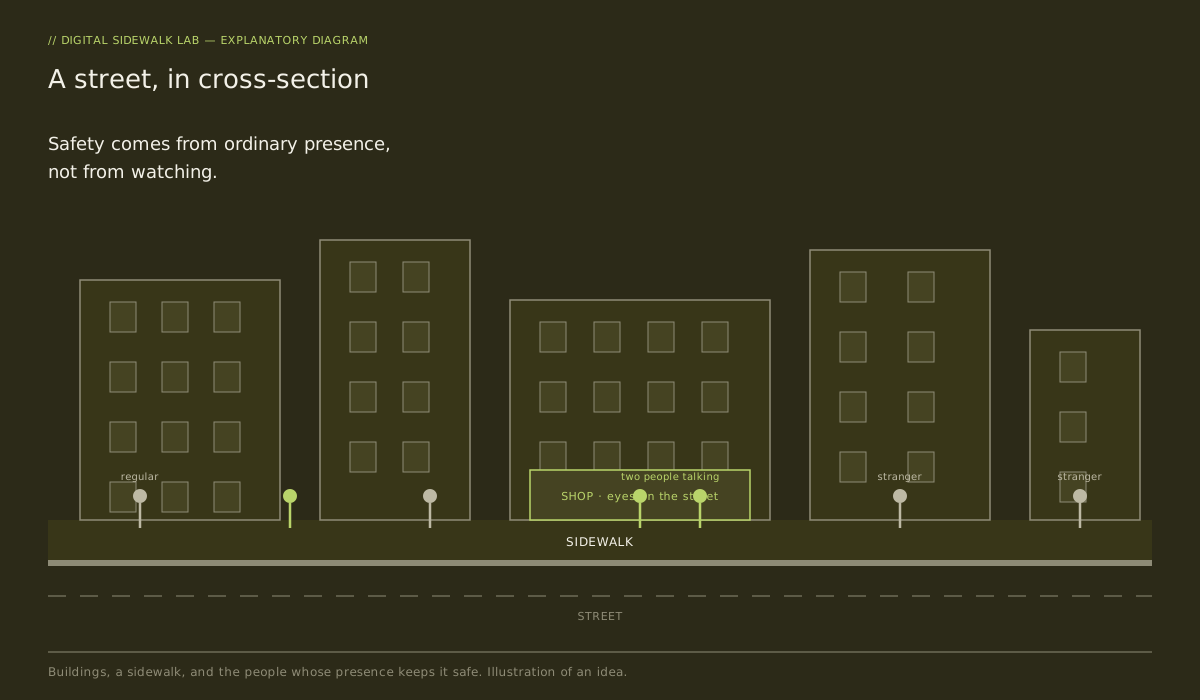
Why a lab about community learning has a microphone in it. Everything I have built, going back to 1999, has been a version of this.
January 24, 2026, late. Ice rain had started. I had a phone in a freezer bag by the door and a heat blanket, and I typed a question I want to keep.
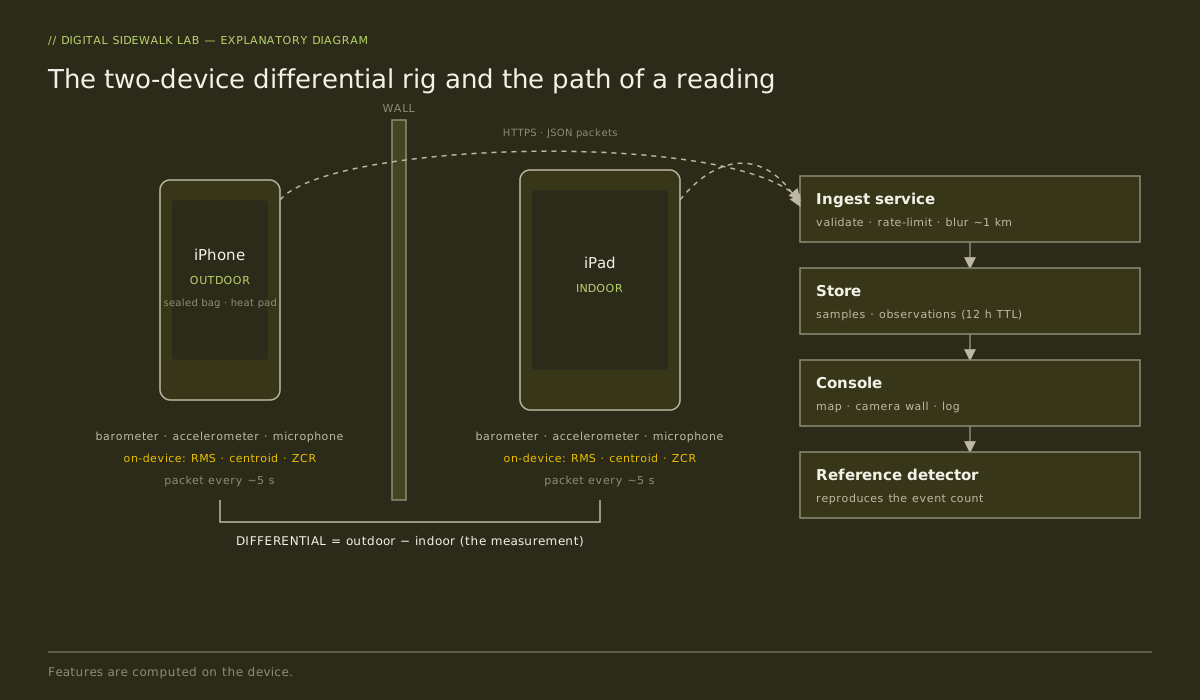
On January 24–25, 2026, a two-phone rig in Clemson recorded a real ice storm end to end. Here is the dataset and its limits.
Atmospheric audio is an observation channel. Forecast skill is a separate claim that needs a separate test.
An observation-design instrument, its one frozen failure, and how a failure became the calibration.
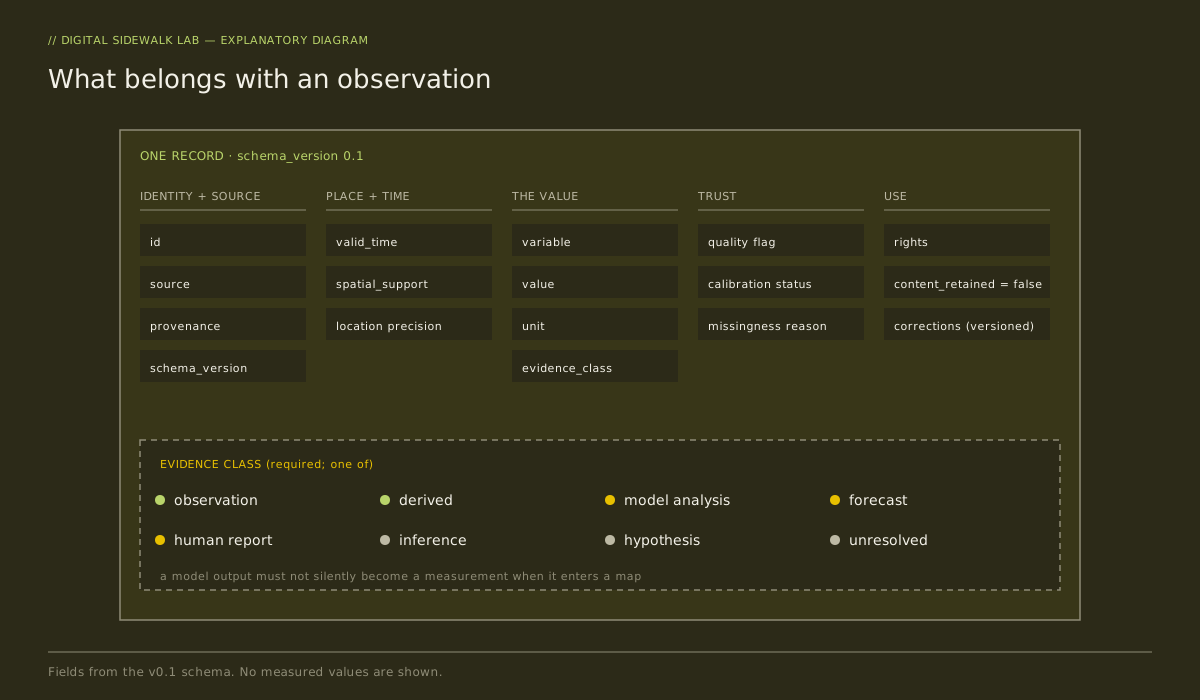
What survives in the v0.1 archive — a source registry, observation schemas, missingness definitions, and a validation plan.
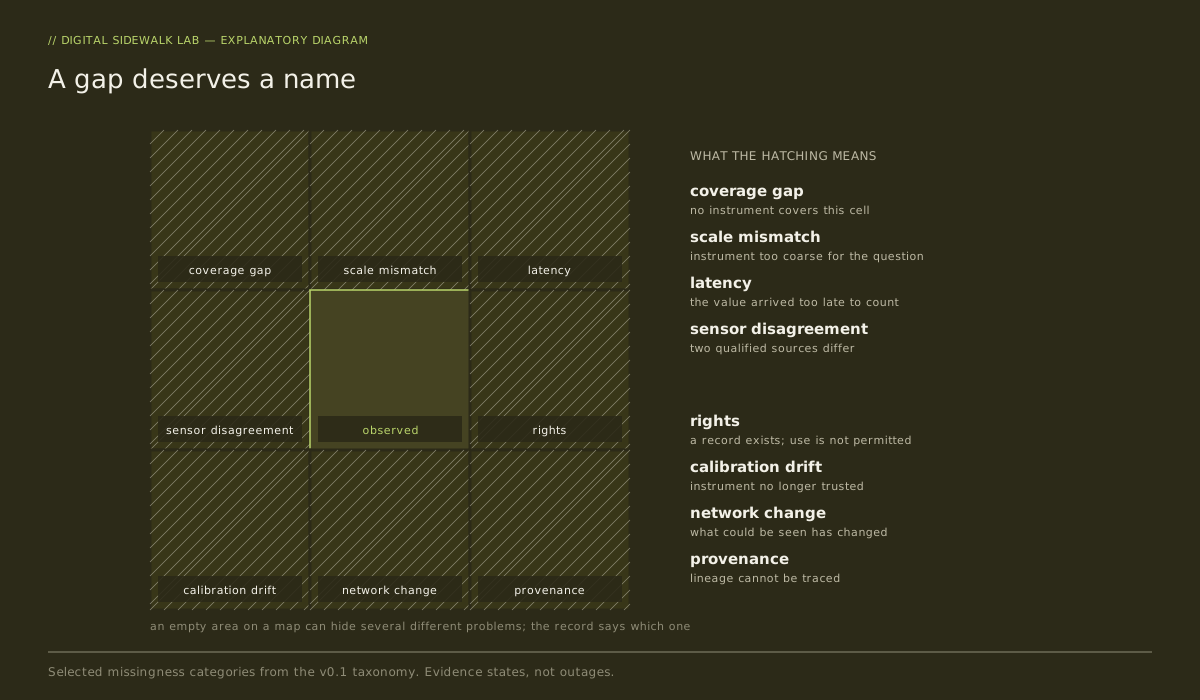
No observation, a late observation, and a restricted observation are different things. A useful system says which one it means.
A prototype becomes useful to others when they can install it, inspect a sample, repeat a result, and report a problem.
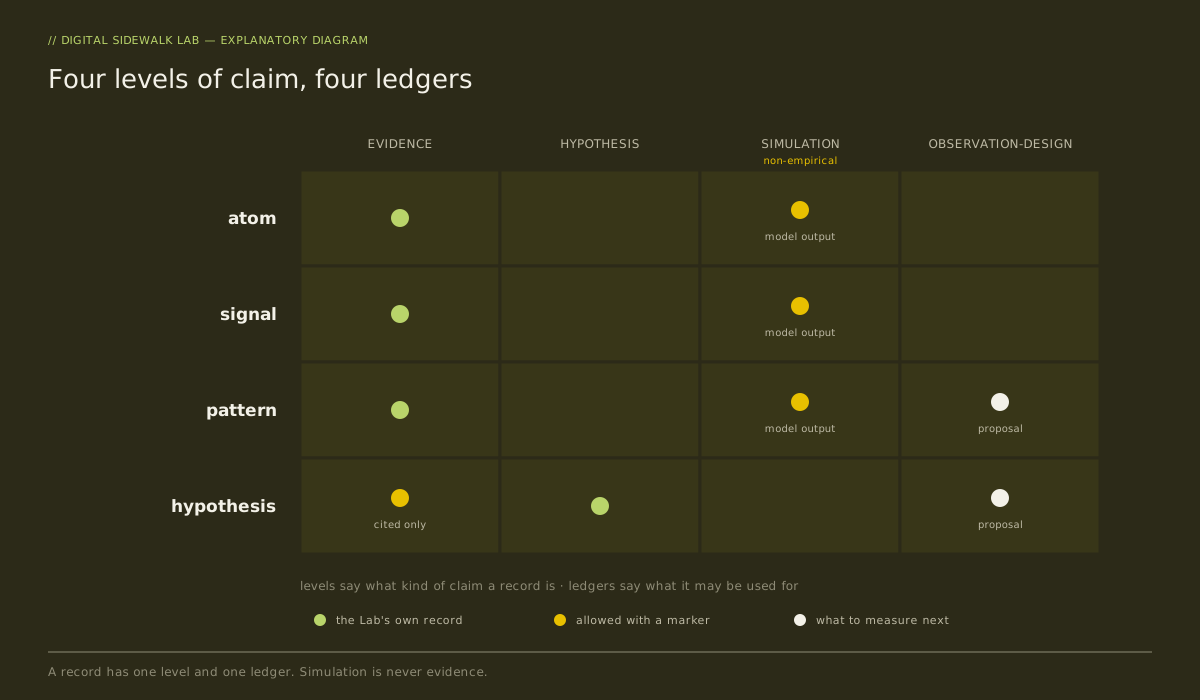
In August 2026 the Lab declared a parent frame over every research thread — four levels of claim and four ledgers a claim may live in.
The global protocol asks which community conditions travel across settings, and which do not.
Two AI systems built the Lab's long-term harness in August 2026. The most useful artifact they produced was a list of what was real and what was a stub.
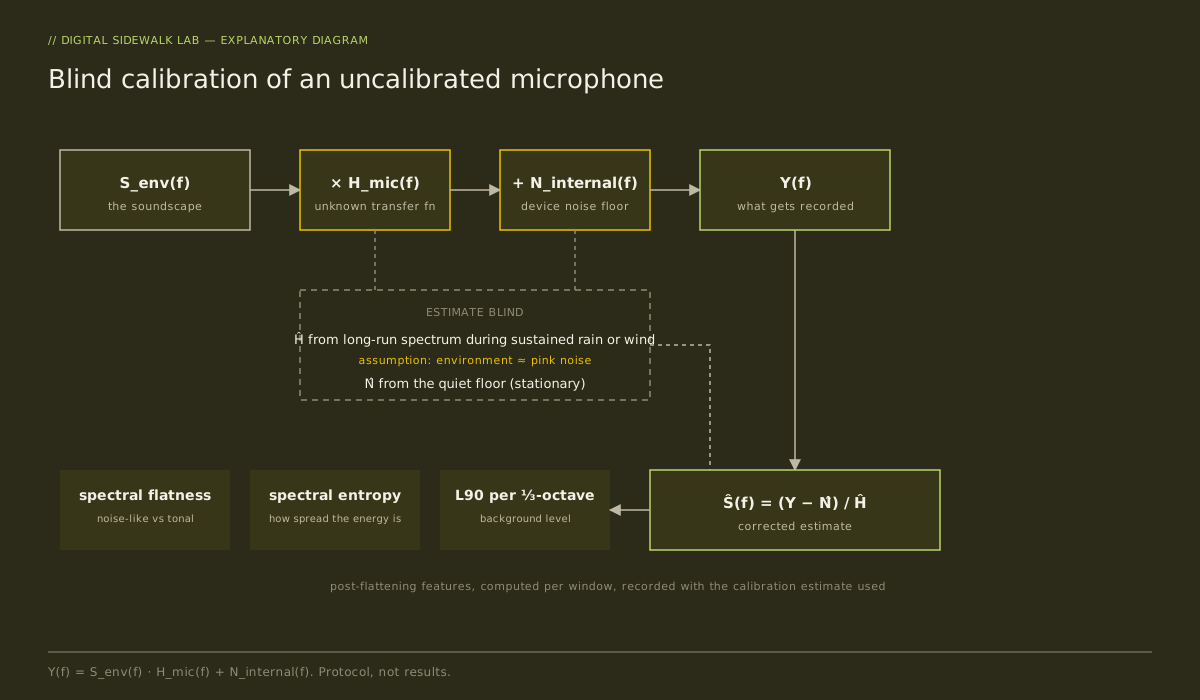
A citizen sensing network runs on whatever devices people already own. Blind calibration turns that from a weakness into the measurement.
A long-running project needs an archive that survives a change of tool, model, or workspace. Here is how this journal was assembled and what it does not contain.
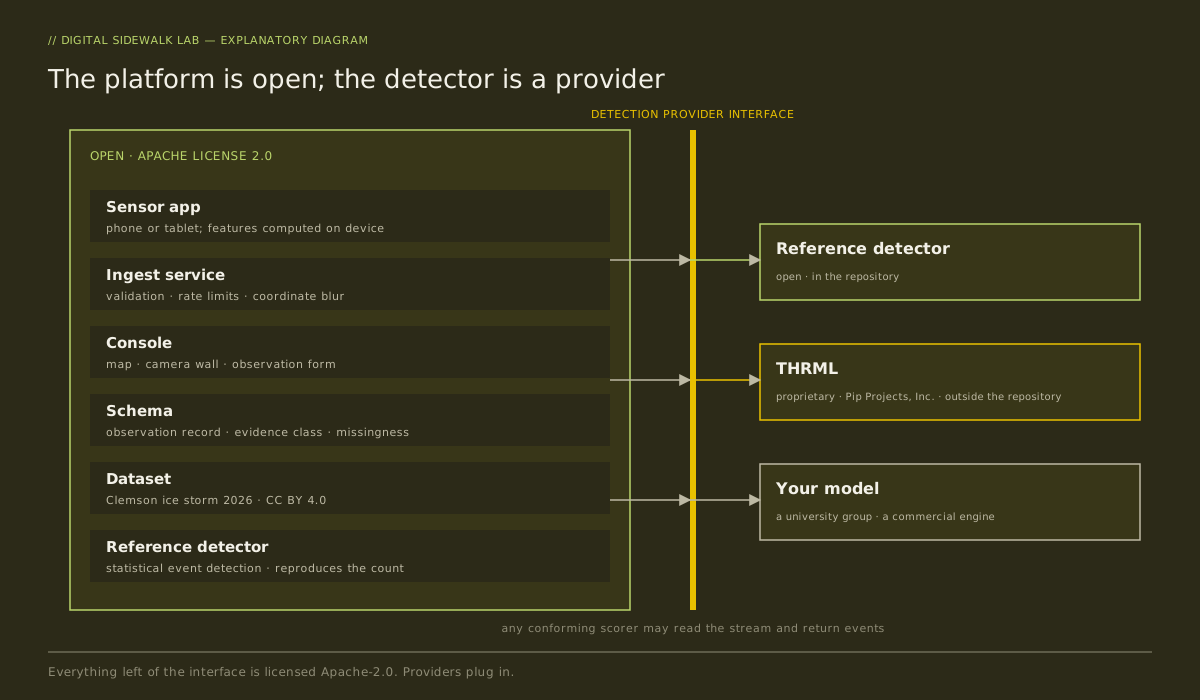
The sensing platform is being released under an open license with a pluggable detection interface. The Lab's own engine plugs into it and is not part of it.
In September 2026 StormNet was retired into Digital Sidewalk Lab, and a rule was written so that three uses of one name stop drifting into each other.